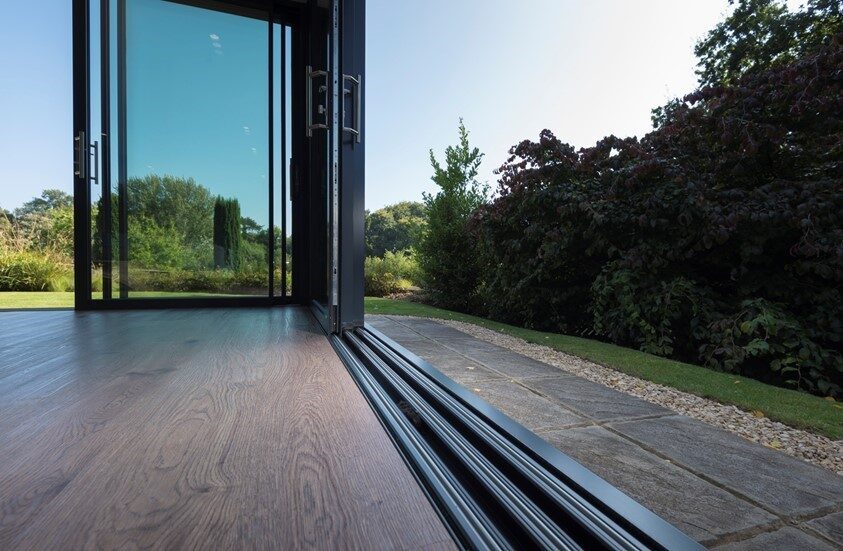
A sliding patio door that suddenly needs two hands is telling you something. The problem may be loose grit, a wheel that no longer turns properly, a dragging panel or a lock that has not released. Those faults can feel surprisingly similar from the handle. Pulling harder gives you less useful information than noticing exactly where the resistance begins.
For a Phoenix homeowner, the timing matters too. Did the trouble start after blowing dust, during afternoon sun, after a storm or immediately after someone adjusted the door? Those details help separate an environmental trigger from a worn component. They do not establish the diagnosis by themselves.
Start with this rule: if the glass is damaged, the panel rocks out of position or the handle is coming away, stop operating it. For a stable door with intact glass, the following observations can make a service visit more focused and may reveal a simple obstruction.
Describe the failure before choosing the repair
“It is stuck” can mean several different things. A door that will not move away from the jamb has a different starting point from one that rolls smoothly and stops an inch short of closing.
| What you notice | What deserves attention first |
|---|---|
| No movement from fully closed | Lock release, secondary locks and visible obstructions |
| Heavy resistance through most of the travel | Rolling hardware, track condition and panel clearance |
| A stop at one repeatable location | Local obstruction, damaged rail or contact with another component |
| Smooth movement until the final closing distance | Interlock, weatherstrip, receiver and closing alignment |
| A door that closes but will not latch | Panel position and the actual locking hardware |
These are inspection directions, not promises that one part is responsible. More than one fault can exist. A worn wheel can lower a panel until it drags, while a damaged running surface adds another source of resistance.
Take a short video from a safe standing position. Record the ordinary sound and the location of the stop without forcing the panel through it. The useful part is the relationship between movement and resistance, not demonstrating how much strength the door requires.
First separate the glass door from the screen
Patio openings often have two independently moving panels: the heavy glazed door and a lighter insect screen. Operate them separately if both are stable and safe. A screen that catches a bent guide can make the whole opening seem defective even when the glass panel works normally.
Also look for a security bar, foot lock, pet insert or an object placed in the track. Do not remove unfamiliar restraints or screws. Some stops and retainers are required components. If someone else manages the property, ask whether an accessory or lock was added before treating it as broken hardware.
A quick separate test avoids ordering glass-door rollers for a screen problem. If the lighter panel is the trouble, our guide to a screen door that will not open or close follows a different inspection path.
What Phoenix conditions change
The National Weather Service documents the region’s heat and its exposure to dust-producing storms.[1] At an individual patio, the practical questions are exposure and timing: does a west-facing opening behave differently in afternoon sun, or did a previously smooth door become gritty after a storm?
Those observations suggest where to look. They do not mean every tight Phoenix door has expanded from heat, or that every noisy wheel is ruined by desert dust. A shaded patio with frequent pet traffic can collect debris differently from an exposed opening used only occasionally.
Write down whether the problem occurs all day or only at certain times. Note recent landscaping, construction dust, cleaning products and water entering the sill. This is useful original diagnostic information about your door, and a local technician cannot obtain it from a model number alone.
Make one low-risk cleaning pass
If the door is stable, vacuum loose material from the exposed track with a soft attachment. Work only where you can reach without putting fingers beneath a panel. Wipe accessible surfaces with a soft cloth and a mild cleaner permitted by the manufacturer, then remove residue and dry them. Manufacturer care guidance supports removing track debris; abrasive restoration is a different task.[2]
Do not start with a hose, pressure washer or a can of lubricant. Flooding hides the original dust pattern and can carry grit into corners. Spraying before cleaning may briefly change the feel without explaining whether the wheels and rail are healthy.
Try one gentle operating pass afterward. A clear improvement supports continuing an appropriate maintenance routine. Persistent grinding, a deep groove or a repeated hard stop calls for inspection rather than progressively stronger cleaning. See the Phoenix track-cleaning guide for the detailed sequence.
Read the panel position without adjusting it
Look at the vertical relationship between the operating panel and the closing jamb. A visibly tapered gap can be a useful clue about alignment. Andersen uses a gap comparison in its own adjustment guidance, while directing owners to instructions for the specific product series.[3]
The observation is transferable; the screw location and adjustment procedure are not universal. Some visible screws secure the frame or glazing rather than adjust a roller. Turning an unidentified screw can create a second problem before the first has been found.
Photograph the top and bottom gaps, the threshold and any rubbing marks. Do not lift a heavy panel to make it move. Whether the correct answer is roller replacement, track repair or alignment adjustment depends on the complete support system and the condition of the opening.
What a useful service diagnosis should explain
A diagnosis should connect the symptom to something observable. Ask what is resisting movement, whether the running surface is still serviceable and what will be checked after the repair. “Needs a tune-up” is less informative than identifying a seized bearing, a damaged rail or insufficient clearance.
If parts are proposed, ask how they match the existing door. Roller assemblies differ in housing shape, wheel profile, mounting details and adjustment range. A replacement that can be installed is not automatically one that positions and supports the panel correctly.
The final check should include the full intended travel and the closing system. A door that slides more easily but now leaves a gap or cannot lock has an unresolved problem. Photograph labels and keep the service description so the next decision is based on a record rather than another guess.
Three common questions
Can I keep using a heavy door until next month?
There is no reliable remote timetable. If it is catching, becoming harder to control or damaging its handle, stop forcing it and arrange inspection. If it is your only practical access route, explain that when requesting help so temporary access can be discussed for the actual property.
Does easier movement after cleaning prove the rollers are good?
No. Cleaning removes one source of resistance. A worn assembly may still move better on a clean rail. The useful question is whether smooth, controlled movement returns throughout the intended travel without scraping, rocking or repeatable noise.
Does a sticking door need complete replacement?
Not automatically. A sound frame with compatible parts may support a targeted repair. Widespread frame damage, an unsuitable opening or unsupported components can change that decision. Our repair-versus-replacement guide explains how to compare the scope.
Saguaro Sliding Doors provides sliding door repair in Phoenix and nearby communities. Call 602-560-4705, available 24/7, or use the request form with your ZIP code and a short description of where the door stops. A photo of the label and a calm movement video are more useful than forcing the panel to demonstrate the problem.