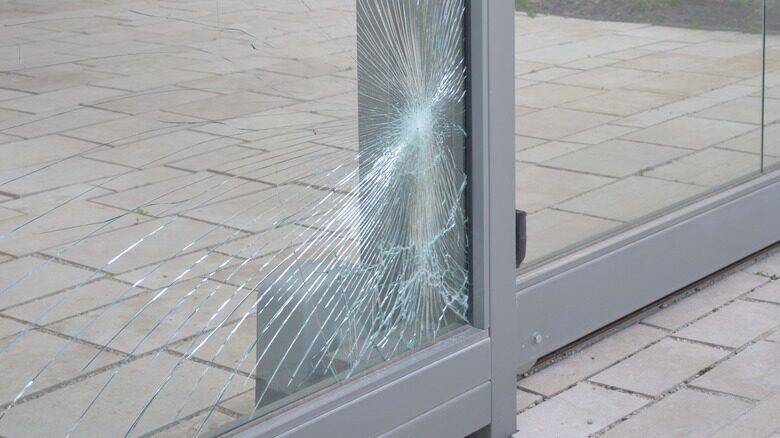
A door that no longer opens or closes normally creates an immediate practical question: repair the failed parts or replace the complete assembly? The answer should come from its condition and compatible options, not a rule that every old slider should be replaced or every door can be saved.
A targeted repair can be sensible when the panel, frame and opening remain suitable and the fault can be corrected with appropriate components. Replacement deserves discussion when damage, geometry, unsupported parts or several connected failures make that approach more practical.
For a Phoenix home, include the actual operating conditions: sun exposure, dust, water around the sill and the way the patio is used. Those details inform the assessment. They do not replace inspection or justify a universal product recommendation.
First define what the door fails to do
Separate opening effort, travel restriction, closing position and locking. A door that rolls easily but will not latch presents a different initial scope from a panel that is unstable or a sill that moves under load.
Record the symptom pattern and previous work. Repeated cleaning, several receiver adjustments or new rollers that did not resolve a fixed stop are relevant history. A quote based on “old sliding door” alone can miss what is actually preventing function.
If the glass is damaged, the panel is displaced or movement is unpredictable, stop forcing it and arrange inspection. Immediate access and security arrangements should suit the actual property while the longer-term decision is made.
Build the condition picture in four parts
First, assess the moving panel and its glass. Second, assess support assemblies and the running surface. Third, assess the frame and sill. Fourth, assess the relationship with the surrounding opening, closing components and required seals.
Those parts interact. New wheels on a damaged rail may leave poor movement. A new latch on a tilted panel may remain difficult. A replacement assembly installed without addressing an unsuitable opening can inherit a different version of the same problem.
Manufacturer roller catalogs demonstrate the range of component configurations.[1] Parts availability and compatibility therefore need actual identification. “We can change the wheels” should be supported by a suitable assembly and a serviceable system around it.
When targeted repair deserves consideration
Repair may be practical when the established fault is localized, compatible parts can be sourced and the supporting assembly remains suitable. The proposal should explain how the work restores intended travel, normal closure and secure operation.
Examples of defined scopes include roller replacement, suitable track repair, lock repair or alignment adjustment. These are possible categories, not a promise that one will fit every complaint. The inspection should identify the cause first.
Ask what remains in service and what condition it is in. A targeted repair is easier to assess when its limits are explicit. You should know whether it resolves the whole operating complaint or addresses one part while another condition needs separate work.
When replacement deserves a fuller comparison
Widespread frame damage, an unsuitable support condition, unsupported essential components or several connected failures can justify comparing replacement. A panel that cannot be positioned appropriately with suitable hardware may require more than another adjustment.
Do not let one unexplained failed repair decide the issue automatically. Ask why a further targeted correction is unsuitable and what replacement will resolve. A clear explanation is more useful than a broad statement that the door is too old.
Manufacturer guidance also cautions against unsupported modifications.[2] If keeping the assembly would require repeated drilling, reshaping or removal of required components, that should be discussed openly. The objective is a functioning appropriate system, not extending repair attempts indefinitely.
Compare complete scopes, not headline prices
| Question | Repair proposal | Replacement proposal |
|---|---|---|
| What established fault is addressed? | Name the affected parts and relationships | Explain the condition the new assembly resolves |
| What happens at the sill and opening? | State what remains and what is corrected | Describe support and installation interface work |
| What is included? | Parts, labor, adjustment and verification | Product, removal, installation, finishing and verification |
| What uncertainty remains? | Hidden damage or sourcing conditions | Opening conditions, preparation or finishing limits |
No fixed Phoenix price range is supplied here because the company has not provided verified pricing and the scope varies. Ask for a written description and the actual terms offered. A number without an equivalent scope is a poor basis for comparison.
Replacement is an installation decision too
The selected door must suit the opening, intended configuration and use. Manufacturer installation guidance is product-specific because frame preparation, panel assembly and support are part of the completed system.[3]
Ask how the threshold, adjacent finishes and water management will be handled. Discuss access during the work and the intended opening direction or panel arrangement. A replacement chosen only by approximate width can overlook practical operating details.
If the surrounding opening has unexplained movement or another building issue, ask what evaluation is needed before installation. A new door does not automatically correct a condition outside the assembly. The scope should make that limit clear.
Include comfort without inventing savings
If replacement is being considered, glazing and whole-product energy performance may be relevant to a sun-exposed Phoenix patio. ENERGY STAR advises comparing certified products and retaining the product labels.[4] That is a product-selection consideration, separate from diagnosing why the present door will not move.
Do not assume a particular percentage saving or quick payback. The home, exposure, existing product, installation and use vary. A sound mechanical repair may solve the immediate operating fault even when the owner later chooses replacement for other reasons.
Likewise, a seal replacement cannot change every characteristic of the existing glazing. Keep the goals separate: restored function, improved sealing, different glass performance or a different opening configuration. A clear list helps compare proposals without asking one intervention to accomplish unrelated outcomes.
Ask about parts, timing and actual terms
For repair, ask what identification is confirmed and whether sourcing is required. For replacement, ask what product and installation details are specified. Neither should rely on a guaranteed instant solution for an unidentified opening.
Request the actual product and workmanship terms. Do not infer a warranty, certification or manufacturer authorization from a material description or general company name. Keep the written scope and component information for later service.
If the opening cannot secure or is an important access route, explain that before scheduling. Temporary arrangements must fit the property and occupants. The long-term decision should not be rushed by an avoidable lack of planning for the current condition.
Use one final decision test
Can the provider explain the fault, the proposed correction, what remains in service and how normal function will be verified? If the answer is clear, you can compare the recommendation. If the explanation depends on vague age or climate claims, ask for the missing findings.
A completed result should be demonstrated through intended travel, ordinary closing and locking. If the complaint changes with natural afternoon conditions, agree on how that observation will be followed. Keep unresolved items documented rather than assuming easier movement proves every goal was achieved.
Saguaro Sliding Doors is a family company founded in 2002 by Danny Hanigan, who grew up in Phoenix and remains involved in field work when needed. The company’s stated priorities include honesty, professionalism, customer satisfaction and sensible savings. Those priorities support explaining repair options before recommending a broader scope.
Does age alone determine replacement?
No. Condition, compatible parts, support and the desired outcome matter. An older door can have a repairable localized fault, while a newer assembly can have damage or installation conditions requiring broader work.
Is the cheapest repair always the best value?
No. A limited intervention that leaves the established cause unresolved may lead to repeated work. Compare what each scope actually restores and what remains uncertain.
Should I replace the door after new rollers did not solve it?
First review the remaining fault, hardware compatibility, rail and final adjustment. Then compare appropriate repair with replacement. One unsuccessful intervention is useful history, not a complete condition assessment.
Call Saguaro Sliding Doors at 602-560-4705 for sliding door repair or sliding door replacement in Phoenix and surrounding communities. Service is available 24/7. Describe the operating fault and request a scope that explains the practical options for your actual opening.