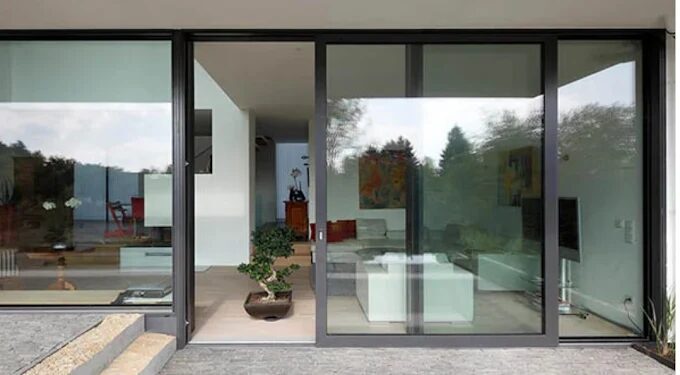
An upper scrape can be easy to miss because attention naturally goes to the bottom track. You clean the sill, spray the hardware and still feel resistance. The real contact may be above the panel, where an incorrect operating height, a displaced component or a distorted opening has reduced clearance.
The location matters. A door supported from below does not become easier simply because the running rail is spotless. If another surface is rubbing, that contact needs to be explained. Raising the panel to cure lower drag can even make an upper interference more noticeable.
This guide is for a manual glazed sliding door. Screen systems and commercial automatic entrances can use different support arrangements. Identify the panel and product before deciding which component is carrying its weight.
Follow the mark, not the loudest sound
Sounds can travel through a door frame. A scraping noise heard near the handle does not locate the contact precisely. Look for a fresh polished line, disturbed finish, folded weatherstrip or visible material at the upper edge while the panel is stationary.
Photograph the top corners and the full opening from a safe position. Do not use a ladder while someone moves the panel beneath you, and do not put fingers into the upper gap. If the contact cannot be observed safely from the floor, leave that inspection for service.
If normal movement is still safe, note whether the scrape occurs throughout travel or only as the panel approaches one end. A constant contact pattern and a localized high point suggest different checks. A short recording of ordinary movement can preserve that distinction without forcing repeated cycles.
Ask whether the operating height recently changed
Upper rubbing that begins after roller work or lower-track repair deserves a review of the finished panel position. A new assembly, changed running height or excessive adjustment may have altered the clearance. The original repair may also have revealed a separate frame issue.
The important question is not whether the panel is “high enough.” It is whether it sits in its intended position with the clearances, retention and closing relationship the product requires. Maximum adjustment is not the target.
Andersen’s gliding-door guidance directs adjustment through the identified product instructions.[1] That is why copying a screw direction or turn count from a different door is unreliable. Some apparent adjusters are attachment screws, and an unknown upper component should not be removed as an experiment.
Separate contact with a seal from contact with the frame
A loose or misplaced weatherstrip can drag along the upper channel. A rigid panel rail touching the frame is a different condition. Both can increase resistance, but they call for different explanations and different repairs.
Do not pull out a seal simply because the door moves better without it. Establish whether it is the correct profile, installed in the correct location and properly retained. Removing it may trade the operating symptom for air or water problems.
Similarly, do not shave a rigid component to create space before the panel position and opening geometry are evaluated. A clearance problem may be a symptom of incorrect support. Removing material can conceal that symptom while affecting the designed assembly.
Check whether the gap changes across the opening
An upper gap that narrows toward one end can help locate where the panel meets resistance. Compare the available photographs, but avoid turning a visual observation into a precise measurement of frame movement. Perspective and trim can be misleading.
A technician may need to check the frame, running surface and panel together. Product installation instructions address the assembled opening rather than only the moving panel.[2] Stable support and suitable geometry are relevant when ordinary adjustment cannot produce clearance throughout travel.
If there are new building cracks, signs of structural movement or unexplained changes beyond the door, an appropriate building professional may be needed. A sticking patio door alone cannot establish a foundation diagnosis. The service report should describe observed conditions without making that leap.
Phoenix timing can expose a marginal fit
Does the upper scrape occur in the cool morning, in afternoon sun or all day? Document the difference naturally rather than trying to heat or cool the frame. A door that changes with exposure deserves an inspection that considers its operating conditions.
If the panel rubs at all times but feels worse later, say that accurately. There may be an all-day mechanical fault with a temperature-sensitive effect. “Only heat” can be an unhelpful description when a rubbing line is present even during the morning test.
For a more detailed comparison, read why a Phoenix door sticks in afternoon heat. The useful outcome is an explanation of which clearance changes or which fault becomes more noticeable, not a general statement that desert weather makes doors tight.
Why lubrication is a weak test here
Changing surface friction may change the sound without creating missing space. If the panel or frame is in unintended contact, an oily coating does not establish that its position is correct. It can also contaminate seals and attract additional dirt.
Follow care instructions for the identified surfaces and hardware. Marvin cautions against painting surfaces that slide against other surfaces because it can affect operation.[3] The same need to respect contact surfaces applies when considering improvised coatings or residue-producing treatments.
Tell the technician what has already been applied. An accurate product name and location can help distinguish residue from original wear. Do not add several cleaners or lubricants while waiting; that makes the condition harder to interpret without correcting its geometry.
What a repair recommendation should include
A useful recommendation identifies the contact, the cause and the intended correction. If alignment adjustment is proposed, ask whether the support assemblies remain serviceable and whether adequate clearance can be achieved throughout the full opening.
If frame repair is proposed, ask which part is damaged or displaced, whether the condition is localized and what adjacent installation work is included. “The frame is bad” is not enough information to compare a targeted repair with a replacement.
The recommendation should also describe what will be checked afterward. Raising or lowering the panel affects more than the scrape. The closing jamb, interlock, lock and retained position all belong in the final verification for that system.
Work through the result in the right order
First, confirm the door moves through its intended travel without the upper contact. Second, close it normally and check that it seats. Third, operate the locking controls using the demonstrated method. A door that rolls but no longer locks has a remaining fault.
Look for displaced seals after a few normal cycles. If a strip begins pulling out again, the original retention or contact problem may remain. Photograph it and report the location rather than trimming it to keep the panel moving.
Keep the part and adjustment record. If the upper scrape appeared after previous work, documenting the final correction can prevent repeated trial-and-error adjustments later. The record need not include invented precision; it should accurately describe what was inspected and changed.
Quick answers
Should I lower the rollers until the upper scrape stops?
Only an appropriate product-specific adjustment should be used. Lowering blindly can create bottom drag or affect the closing relationship. Correct clearances and support need to be verified together, particularly if the previous adjustment is already near its limit.
Can I remove the top guide or stop?
Do not remove an unidentified component. A guide, stop or retainer may be required for safe operation. Have its purpose established before any alteration, even if removing it appears to give the panel more room.
Does an upper scrape mean the header is sagging?
Not necessarily. Panel height, seals, local deformation and other interference can be involved. An inspection can establish what is contacting; structural conclusions require appropriate evidence and, where needed, the right building professional.
For sliding door frame repair and operating problems in Phoenix, contact Saguaro Sliding Doors at 602-560-4705. Send photos of both upper corners and mention any recent roller or track work so the clearance can be assessed in context.